Lease vs. Loan for Spray Foam Equipment: Which Fits Your Business?
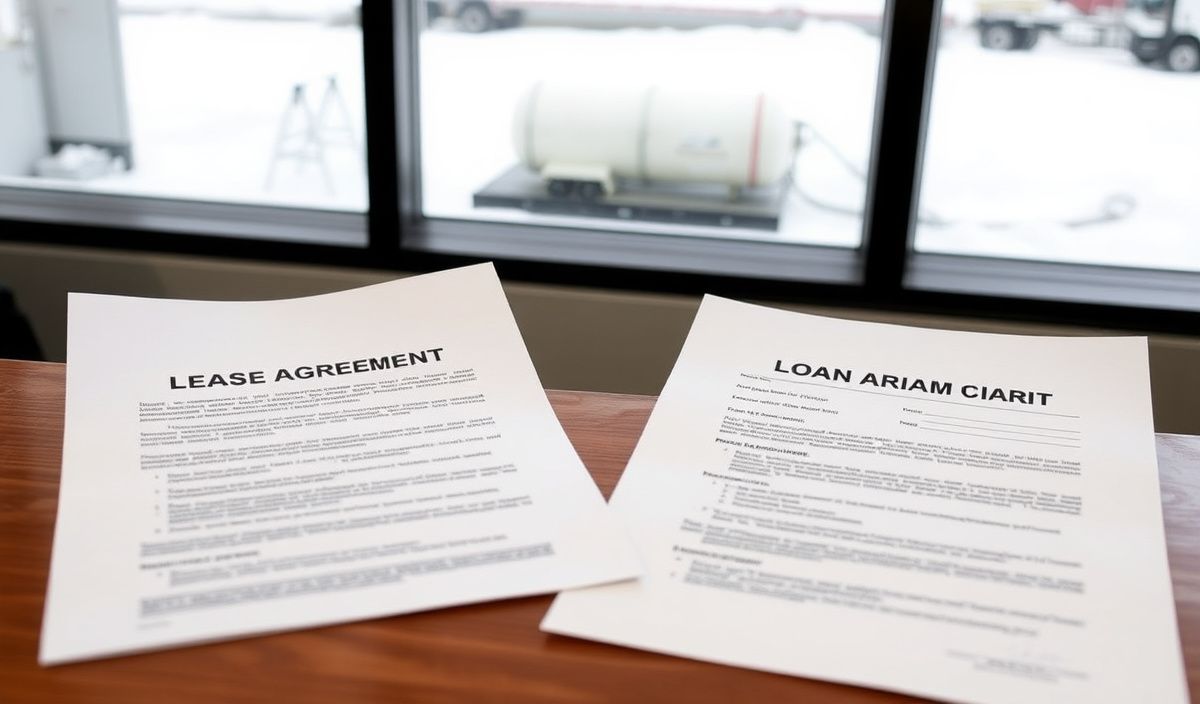
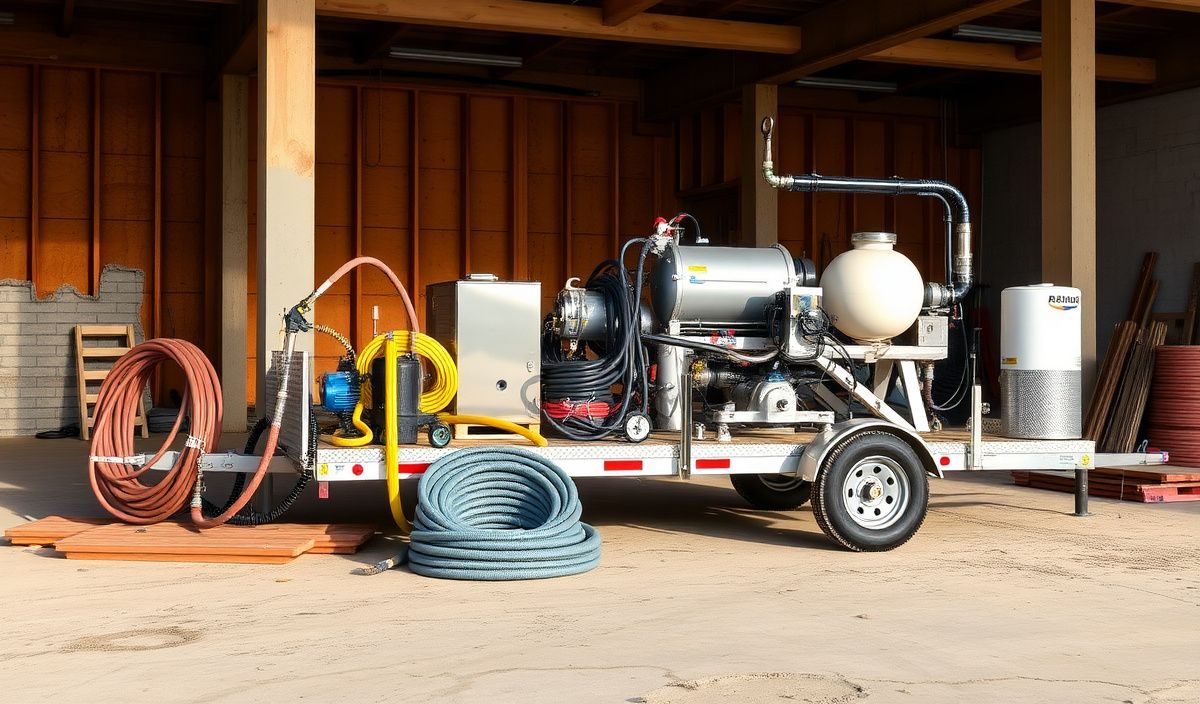
Once you've decided to finance a spray foam rig rather than pay cash, the next question is usually loan or lease. Both get equipment into your hands without the full purchase price up front, but they work differently — and the right choice depends on your cash position, credit profile, and how you plan to use the rig long-term.
How an equipment loan works
With an equipment loan, you borrow the funds, purchase the rig, and own it immediately — the lender holds a security interest in the equipment until the loan is repaid, similar to a vehicle loan. Once the balance is paid off, the equipment is yours outright with no further obligation to the lender.
How an equipment lease works
With a lease, the financing source generally retains ownership of the equipment for the lease term. Many equipment leases used in the trades are structured as lease-to-own (sometimes called a capital lease or $1 buyout), meaning at the end of the term you have the option to purchase the equipment for a nominal amount — effectively building toward ownership over time, just through a different structure than a loan.
Comparing the two
- Upfront cost: loans commonly require a larger down payment; many leases require little to no down payment.
- Monthly payment: lease payments are often lower than loan payments for comparable equipment, since you're not necessarily paying down the full purchase price during the term.
- Ownership: a loan gives you equity and ownership from day one; a lease typically requires exercising a purchase option at the end of the term.
- Qualification: lease programs can sometimes accommodate a wider range of credit profiles and business history than a traditional equipment loan.
Which tends to fit which business
A loan often makes sense for an established business with solid credit and cash reserves that wants to build equity and keep the rig long-term. A lease can make more sense for a newer business trying to preserve cash for materials and payroll, or for a contractor who expects to upgrade equipment on a regular cycle rather than running the same rig for a decade.
Frequently asked questions
It can be, depending on the lease structure and end-of-term purchase option — but not always. The comparison depends on the specific rates, term, and buyout terms offered, which is why reviewing actual terms from a matched lender matters more than a general rule of thumb.
With a lease-to-own structure, yes — that's the point of the buyout option at the end of the term. A standard operating lease without a purchase option would not convert to ownership without a separate arrangement.
Ready to apply for financing?
Tell us about your business and equipment needs and we'll connect you with financing sources.